

Nicole Kieninger
Wir hatten als Familie eine 2-stündige Quadtour, gebucht und wurden sehr positiv überrascht. Die Söhne sind 16 und 19 und daher selbst gefahren. Wir hatten als Familie zwei Guides und waren für uns, es gab also keine große Gruppe, bei der immer auf jemanden gewartet werden musste, sondern nur auf mich ;-) und hier hatten sich die Guides dann abgesprochen. Der Spaß war entsprechend groß. Bei der 2-stündigen Tour konnten wir vom höchsten Punkt Koh Samuis die Landschaft bewundern und den großen Buddha. Der Fahrspaß war so groß, dass meine Männer nochmals eine 1-Stündige Tour gebucht haben nur um nochmals fahren zu können und auch hier waren sie allein als Gruppe unterwegs. Man sollte dabei jedoch nicht empfindlich sein, was Dreck angeht, denn der Sand wird ordentlich aufgewirbelt. Da wir schon in vielen Urlauben ähnliche Ausflüge gebucht hatten, können wir sagen, dass diese Quadtouren die bisher Besten waren und kaum zu toppen sind.

Ed Lees
Great half day tour, from booking the night before for a next morning trip everything was well communicated and very promptly. The tour itself was made so much better by our guide and driver who took great care of us for the whole trip. Our guide was knowledgeable, courteous and interacted with us for the majority of the trip. Would recommend 👍🏻

Nicole Haas
Wir haben heute die Tour zum Angthong NationalPark gemacht. Die Tour ist sehr gut organisiert. Sehr nettes zuvorkommendes Personal, gutes Essen. Ich habe meine Schuhe im Bus vergessen. Eine Stunde später konnte ich sie schon an der Rezeption abholen. Einfach klasse. Vielen Dank für diesen tollen Tag.

אופיר סויסה
רוצה להודות ולהמליץ על שליו מסיאם טורס על תכנון טיול מושלם, בהקשבה מדויקת למה שאנחנו צריכים, טסנו עם תינוקת והיה ראש שקט!!!!!!!! כל המעברים היו מושלמים! ללא המתנה בכלל, תמיד בזמן ובדיוק! סבלני קשוב פשוט כיף כיף כיף! אין ספק שאת הטיול הבא הוא יתכנן!

sandie's journeys
I highly recommend picking this company for the tours they do. We went looking for pink dolphins, which we saw, snorkeling and then pig island. Lunch was included. It was a fantastic day
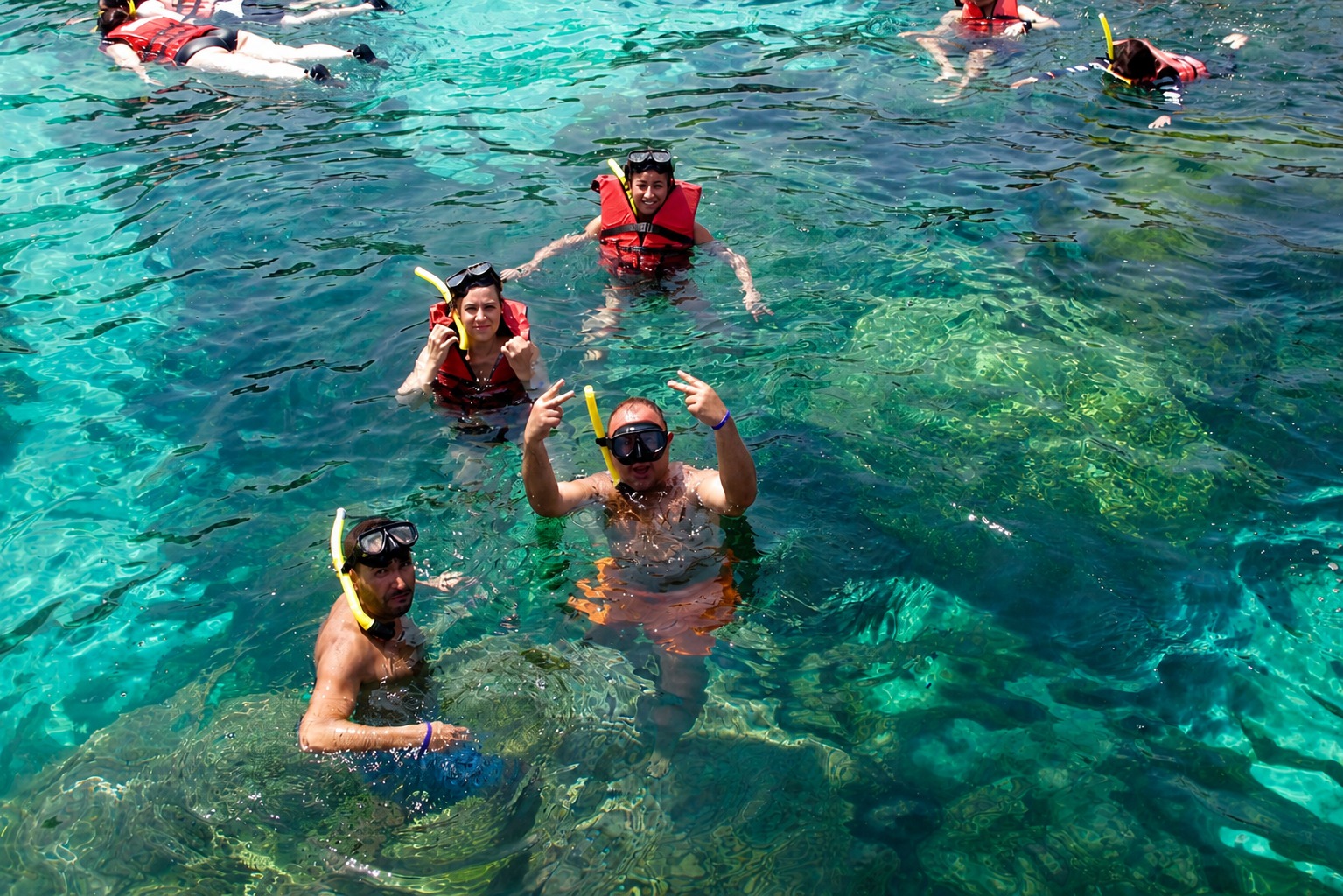
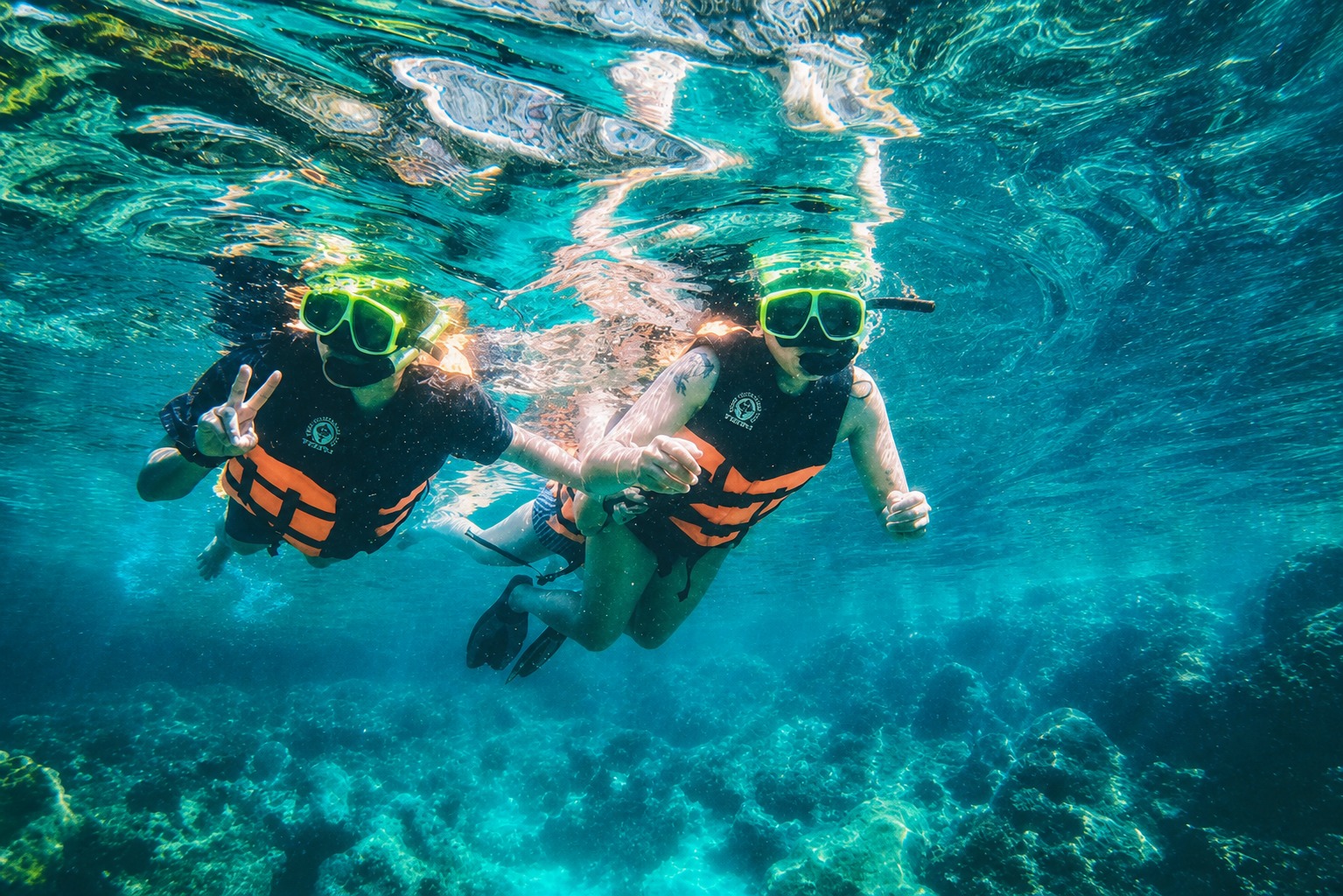
Snorkelling is included on many Ang Thong Marine Park tours, but it helps to arrive with realistic expectations. On a good day, you can enjoy warm water, small reef fish and patches of coral beneath the limestone islands. On a less favourable day, visibility may be limited and the underwater scenery fairly modest.
Ang Thong is worth visiting for the complete experience. Its limestone cliffs, sheltered coves, kayaking routes, beaches and viewpoints are the main attractions. Think of snorkelling as an enjoyable part of the day rather than the only reason to book the trip.
That does not mean there is nothing beneath the surface. Ang Thong contains genuine coral communities and serves as a nursery area for marine life. Conditions simply differ from Thailand’s clearest and most famous snorkelling destinations.
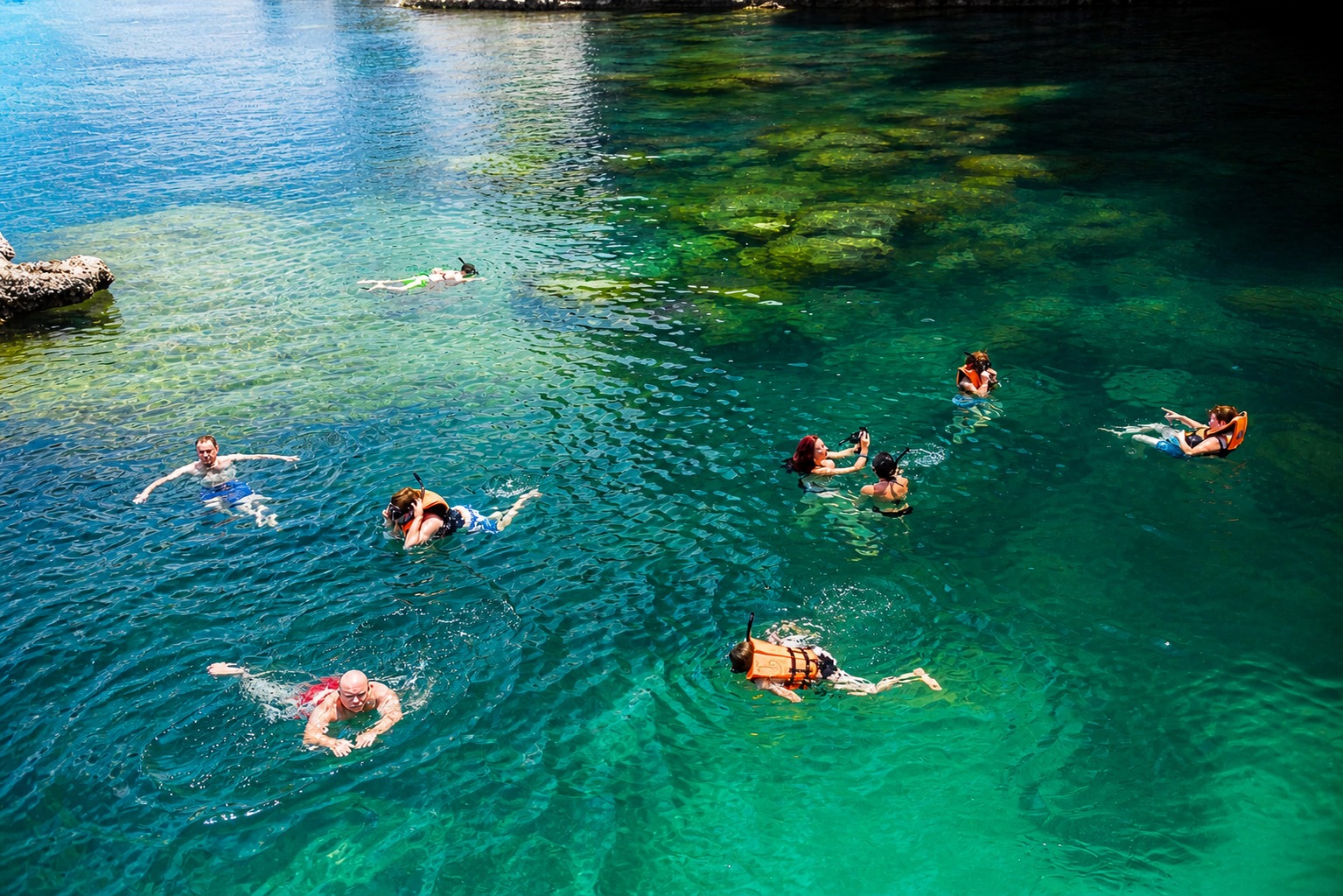
The islands sit in the shallow western Gulf of Thailand. Scientific surveys describe the average water depth around the archipelago as approximately 10 metres.
The area is also influenced by sediment carried into the Gulf from the mainland, particularly by the Tapi River. Wind, waves and currents can lift fine material from the seabed and suspend it in the water. This reduces visibility even when the weather looks sunny from the boat.
Rainfall, tides and recent sea conditions also matter. A calm morning after several dry days may offer a much clearer swim than an afternoon following wind or heavy rain. Conditions can vary between different sides of the same island because one bay may be sheltered while another is exposed.
Three to five metres of visibility is a sensible general expectation. Some days are clearer and some are murkier. No operator can honestly guarantee crystal-clear water in advance.
Cloudy water does not automatically mean the sea is dirty. In Ang Thong, much of the reduced visibility comes from natural sediment moving through a shallow marine environment.
Ang Thong’s coral reefs generally form narrow strips close to the islands rather than the broad reef systems found at some other tropical destinations. Research within the park has recorded coral communities at depths of approximately one to five metres, placing parts of the reef within normal snorkelling depth.
The amount and condition of coral differ considerably between sites. Scientific surveys have found living coral, dead coral, rock, sand and loose coral rubble in different proportions around the park. Some locations support substantially more living coral than others.
Common coral groups recorded by researchers include Porites, Goniopora and Platygyra. To an ordinary snorkeller, these can appear as rounded boulder corals, flower-like colonies or grooved formations sometimes described as brain coral.
The park also contains young coral colonies. A 2019 study recorded juvenile corals from 12 genera on reef flats and slopes, with particularly high densities at study sites around Koh Sam Sao. This is important because juvenile colonies indicate that coral settlement and renewal are still taking place.
That does not make every visitor site a pristine reef. Ang Thong’s corals have experienced sedimentation, warming water, storms and pressure from tourism. Expect a living but mixed marine environment rather than an untouched underwater garden.
Small tropical reef fish are the most likely wildlife sighting. Depending on the site and conditions, you may see fish moving around coral heads, rocky ledges and patches of seafloor vegetation.
You may also notice sea urchins, sea cucumbers, molluscs and small crustaceans if the water is clear enough to examine the bottom. Some of the most interesting animals are easy to miss because they remain close to the rock or use colours that blend into their surroundings.
Larger or rarer animals should be treated as a matter of luck. Sea turtles occur within the wider park, but a turtle sighting during a short group snorkel is not something a tour operator can promise. The same applies to rays, sharks, dolphins and other large marine wildlife.
Snorkelling is more enjoyable when you slow down and look closely instead of swimming quickly in search of something dramatic. Remain still for a moment near a safe viewing area and fish often become easier to notice.
There is no single site used by every Ang Thong tour. Operators choose locations according to their route, boat type, wind, currents, water clarity and instructions from the national park.
Research has documented reef communities around several islands, including Koh Sam Sao and different sides of Koh Wua Talap. However, the site used by your tour may change from one day to another.
A responsible crew should choose a location based on conditions rather than following the advertised itinerary when the water is rough or visibility is particularly poor. In some circumstances, a snorkelling stop may be shortened, moved or cancelled for safety.
Check the complete itinerary before booking. Some tours devote more time to kayaking, while others include a longer swimming or snorkelling period. The word “snorkelling” in a listing does not tell you how much time will actually be spent in the water.
Most group tours provide a basic mask and snorkel. Some also supply fins, although equipment varies between operators. The crew will normally identify a permitted swimming area and give a time for returning to the boat or beach.
Entry may be from a beach, a ladder or directly from the boat. Entering from a boat can feel very different from walking into shallow water, especially for first-time snorkellers.
Tell the crew before entering if you are not a confident swimmer. Do not wait until you are already in the water. A life jacket provides buoyancy, but it does not replace supervision or swimming ability.
Stay close to the boat, beach or guide. Ang Thong contains sheltered bays, but currents and surface chop can still occur between the islands.
Place the mask over your face without trapping hair beneath the seal. Tightening the strap excessively will not necessarily stop a leak and can make the mask uncomfortable.
Breathe slowly through the snorkel while your face is in the water. If you feel anxious, practise beside the ladder or in water shallow enough for the crew to assist you.
Keep your body fairly horizontal and use small, relaxed kicks. Large kicks waste energy and can send fins into coral or other swimmers. Look forward occasionally so you know where the boat, guide and rest of the group are.
If water enters the snorkel, raise your head and breathe normally. There is no need to clear it underwater unless you already know the technique.
A rash vest is useful for sun protection. The back of the body receives strong sunlight while floating face-down, and it is easy to burn without noticing.
Children can enjoy the stop when they are comfortable in the water and have properly fitting safety equipment. An adult should remain close enough to help immediately.
Tour-supplied masks are often designed around adult faces, so a child’s own well-fitting mask can make the experience much easier. Test it in a swimming pool before the trip if possible.
Do not pressure a nervous child to enter from the boat. Watching from the deck or swimming briefly beside the ladder may be a better experience than forcing a full snorkel session.
Minimum ages and activity rules vary between operators. Ask before booking rather than assuming that every advertised activity is suitable for every child.
Thailand’s marine conservation rules require snorkellers to wear a life jacket and maintain distance from coral reefs. Visitors must not kick, stand on or touch coral or other marine life.
Even coral that looks like rock can be alive. A single careless kick can damage growth that took years to develop. Loose rubble can also be sharp and unstable, so standing on the bottom is unsafe for both you and the reef.
Keep your fins behind you and avoid swimming directly over very shallow coral. Do not collect shells, chase wildlife or feed fish. Feeding changes natural behaviour and can concentrate animals unnaturally around tour boats.
If you need to adjust your mask, move into open water or hold a flotation line instead of putting your feet down.
Reef-friendly behaviour is especially important at Ang Thong. Research in the park has documented coral damage associated with trampling and high sedimentation. Avoiding physical contact is one simple way visitors can prevent further pressure.
Not usually, if snorkelling is the main purpose of your day.
Koh Tao has a much stronger reputation as a dedicated snorkelling and diving destination. A trip there is generally a better match for travellers whose priority is clearer water, longer time in the sea and a day centred on reefs.
Ang Thong offers a broader landscape experience. You come for an archipelago of 42 islands, limestone scenery, kayaking, beaches, viewpoints and the Emerald Lagoon, with snorkelling included as one activity among several.
They are different trips rather than direct substitutes.
Do not choose an Ang Thong tour solely because the listing mentions snorkelling. Compare the full day:
A larger boat may offer easier movement and a more stable journey. A speedboat usually reduces travel time, but the ride can be rougher. Kayaking-focused tours may spend less time snorkelling because more of the schedule is devoted to paddling.
Choose according to the whole experience, not one activity label.
Conditions and visitor guidance checked August 2026. Snorkelling sites, access and safety decisions can change with weather, sea conditions and national park instructions.
It can be pleasant, particularly on a calm and clear day, but it is not normally the main reason to visit. Book Ang Thong for its scenery and variety, with snorkelling as an extra part of the trip.
Three to five metres is a reasonable general expectation, although actual visibility can be better or worse. Wind, rain, waves, tides and suspended sediment all affect it.
Yes. Scientific studies have documented living coral and juvenile coral colonies at multiple locations in the park. Coral cover and condition vary significantly between sites.
Small reef fish and common bottom-dwelling marine animals are the most realistic possibilities. Turtles and larger wildlife may occur in the park, but sightings cannot be guaranteed.
Most tours provide a basic mask, snorkel and life jacket. Fins are not universal. Check the individual tour details, and consider bringing your own mask if fit is important to you.
A life jacket helps with buoyancy, but non-swimmers should speak to the crew before entering. Conditions and operator rules vary. Remaining on the boat or swimming beside the ladder may be the safer option.
Often yes, but age rules and equipment sizes vary. A child should have a properly fitting life jacket and close adult supervision. Bringing a tested child-sized mask is sensible.
Do not stand on coral, reef rubble or marine vegetation. Move to open sand only if the guide confirms that it is safe, or return to the boat or flotation line.
The crew may choose a different site, shorten the stop or cancel the activity if conditions are unsafe. Itineraries inside a marine park must remain flexible.
Koh Tao is generally the better choice for a snorkelling-focused day. Ang Thong is better for travellers who want varied scenery, kayaking, beaches and viewpoints as well as a shorter snorkelling stop.


