

Nicole Kieninger
Wir hatten als Familie eine 2-stündige Quadtour, gebucht und wurden sehr positiv überrascht. Die Söhne sind 16 und 19 und daher selbst gefahren. Wir hatten als Familie zwei Guides und waren für uns, es gab also keine große Gruppe, bei der immer auf jemanden gewartet werden musste, sondern nur auf mich ;-) und hier hatten sich die Guides dann abgesprochen. Der Spaß war entsprechend groß. Bei der 2-stündigen Tour konnten wir vom höchsten Punkt Koh Samuis die Landschaft bewundern und den großen Buddha. Der Fahrspaß war so groß, dass meine Männer nochmals eine 1-Stündige Tour gebucht haben nur um nochmals fahren zu können und auch hier waren sie allein als Gruppe unterwegs. Man sollte dabei jedoch nicht empfindlich sein, was Dreck angeht, denn der Sand wird ordentlich aufgewirbelt. Da wir schon in vielen Urlauben ähnliche Ausflüge gebucht hatten, können wir sagen, dass diese Quadtouren die bisher Besten waren und kaum zu toppen sind.

Ed Lees
Great half day tour, from booking the night before for a next morning trip everything was well communicated and very promptly. The tour itself was made so much better by our guide and driver who took great care of us for the whole trip. Our guide was knowledgeable, courteous and interacted with us for the majority of the trip. Would recommend 👍🏻

Nicole Haas
Wir haben heute die Tour zum Angthong NationalPark gemacht. Die Tour ist sehr gut organisiert. Sehr nettes zuvorkommendes Personal, gutes Essen. Ich habe meine Schuhe im Bus vergessen. Eine Stunde später konnte ich sie schon an der Rezeption abholen. Einfach klasse. Vielen Dank für diesen tollen Tag.

אופיר סויסה
רוצה להודות ולהמליץ על שליו מסיאם טורס על תכנון טיול מושלם, בהקשבה מדויקת למה שאנחנו צריכים, טסנו עם תינוקת והיה ראש שקט!!!!!!!! כל המעברים היו מושלמים! ללא המתנה בכלל, תמיד בזמן ובדיוק! סבלני קשוב פשוט כיף כיף כיף! אין ספק שאת הטיול הבא הוא יתכנן!

sandie's journeys
I highly recommend picking this company for the tours they do. We went looking for pink dolphins, which we saw, snorkeling and then pig island. Lunch was included. It was a fantastic day
The 42 islands of Ang Thong are a protected area, and it shows. Park records list around 16 mammal species, roughly 50 kinds of birds and 14 reptiles across islands that people only visit for a few hours a day. You will not see all of it on a day trip, but you do not need luck to see the headliners. The monkeys, the sea eagles and the monitor lizards show themselves most days, and the reef adds a second cast the moment you put a mask on. Here is what to look for and where.
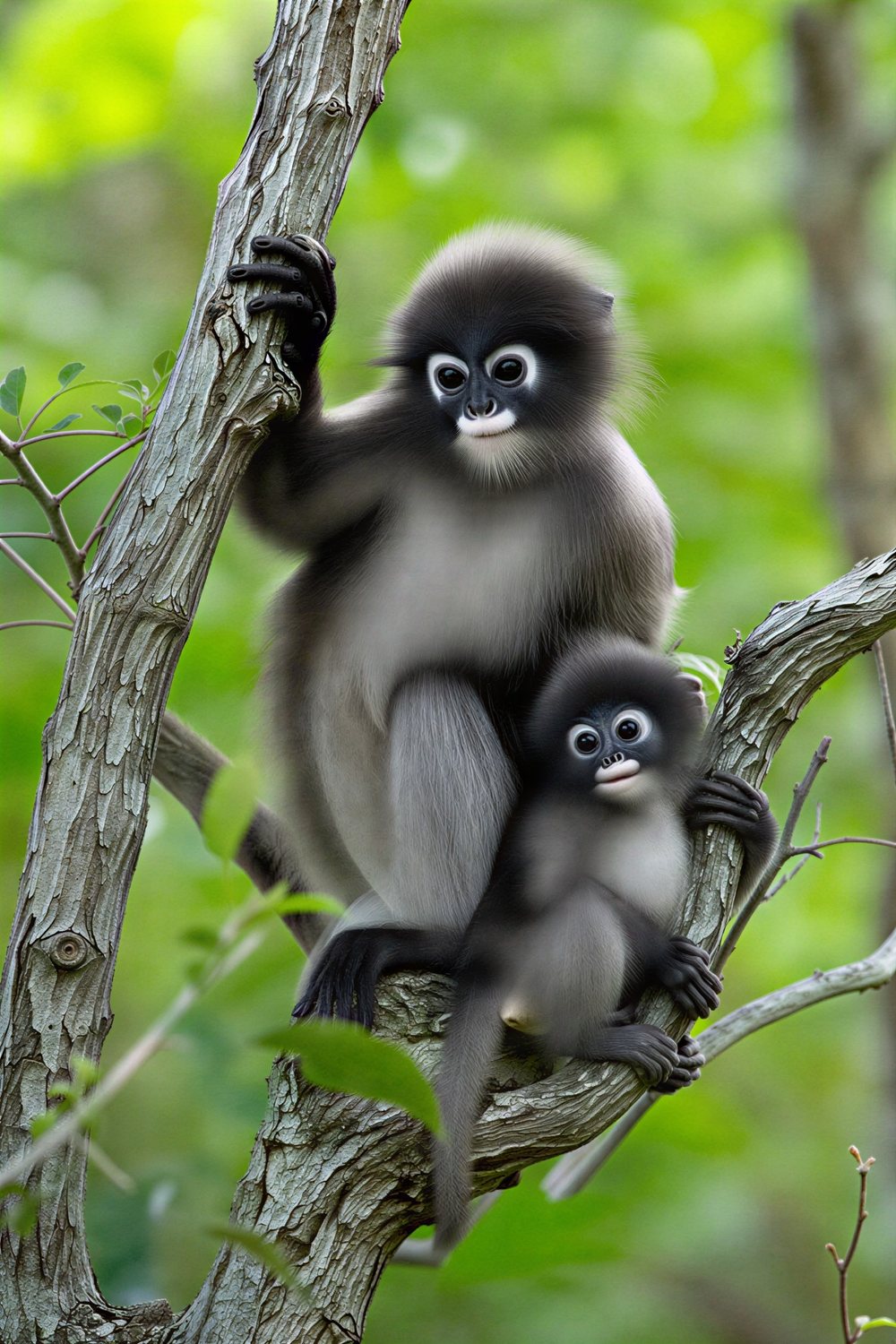
The dusky langur is the animal most visitors remember. Soft grey fur, black face and big white rings around the eyes that make it look permanently surprised. Babies are born bright orange and keep that colour for their first weeks, so a troop with young stands out immediately. Langurs eat leaves, live in family groups and are calm around people because nobody feeds or bothers them here.
Look for them on Koh Wua Ta Lap around the park headquarters and along the lower part of the viewpoint trail. Early morning and late afternoon are the active hours; in the midday heat they rest high in the trees. Watch quietly and they often come surprisingly close on their own.
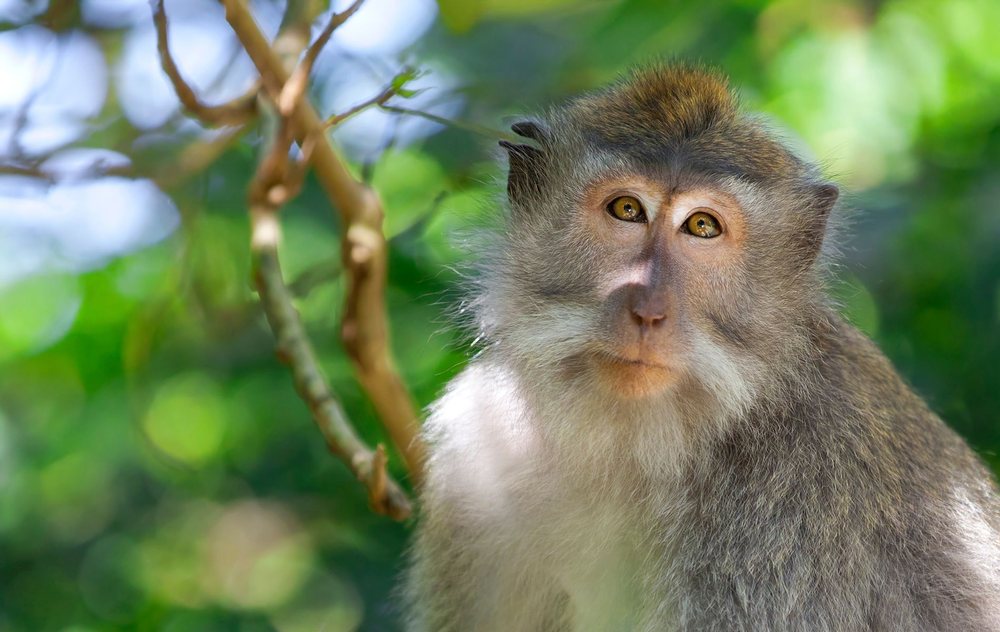
The park's other monkey is a different character. Long-tailed macaques are bolder, louder and clever around anything that smells of food. You will meet them near the beaches and the mangrove edges, often working the tide line for crabs and shellfish, which is where their other name, crab-eating macaque, comes from.
Keep zips closed and food inside your bag, and do not feed them, however confident they act. A macaque that learns bags contain lunch becomes a problem animal, and the rangers are strict about it. Telling the two monkeys apart is easy: langurs sit still and watch, macaques are already walking toward you.
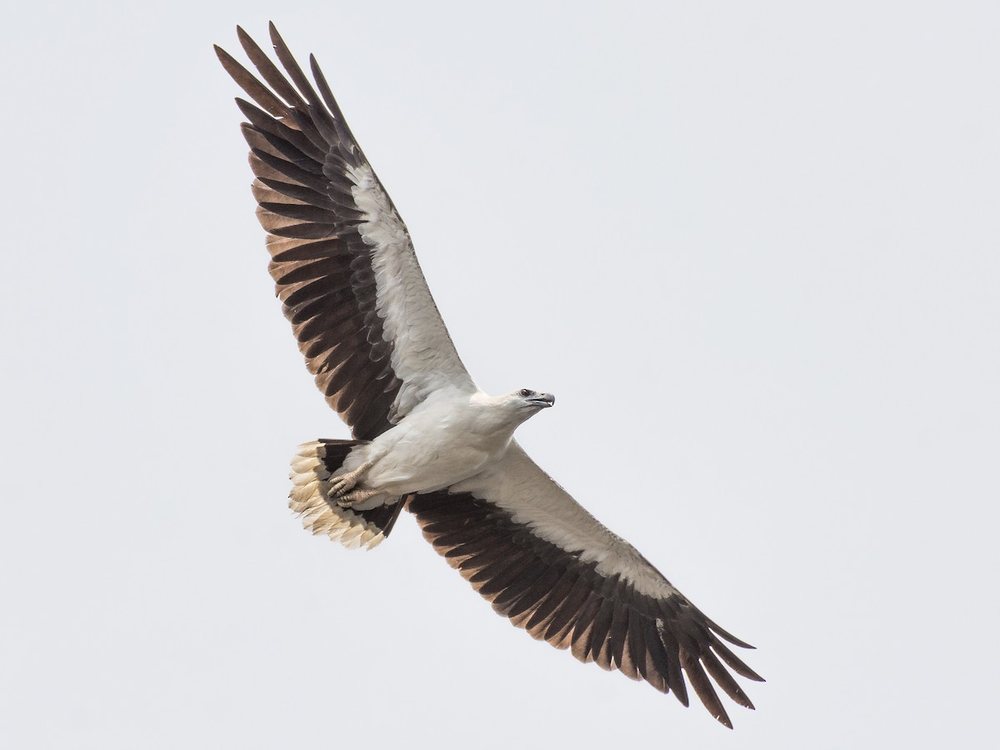
Look up during the crossing and around the anchorages. The white-bellied sea eagle is the biggest bird in the park, white below with grey wings and a wingspan around two metres, usually patrolling the cliff lines or circling over the channels between islands. The brahminy kite is smaller and unmistakable, chestnut red with a clean white head and chest.
Both hunt fish from the surface, and if you are lucky you will see the strike: a long glide, feet down at the last second, then away with the catch. The boat ride is genuinely one of the best birdwatching sessions of the day, so do not put the camera away between islands.
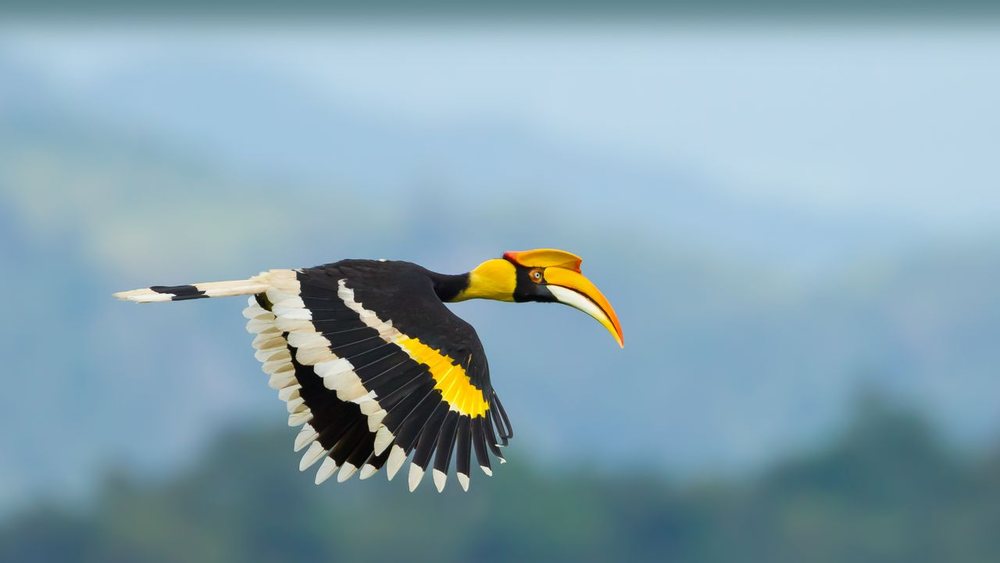
Hornbills live in the taller forest, unmistakable in flight with the heavy casqued bill that makes them look prehistoric. You hear the wingbeats before you see the bird. The species on the park's records is the oriental pied hornbill. The islands also hold collared kingfishers in bright turquoise, glossy hill mynas with their yellow head wattles, and the white-rumped shama, a modest-looking bird with one of the best songs in Thailand.
Bird activity peaks in the first hours after sunrise, so the earlier boats give the best listening. On the viewpoint trail, stop at the quiet switchbacks for a minute; the forest starts moving again the moment a group stops making noise.
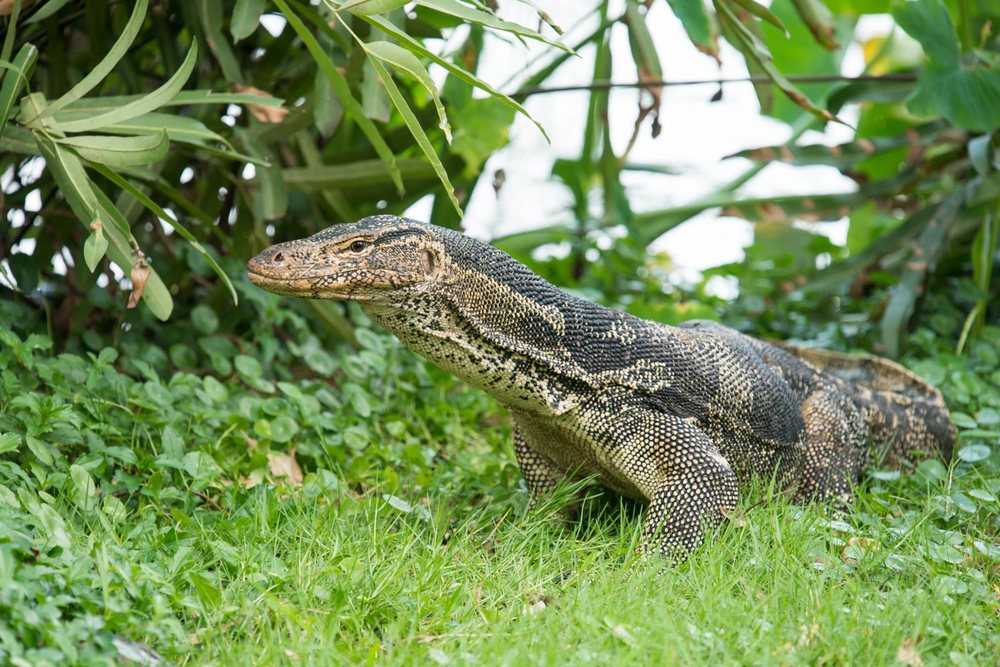
Water monitors are the park's dragons, routinely a metre and a half long and completely unbothered by their own reputation. They swim between the rocks, patrol the beach edges and scavenge whatever the tide brings in. Around the headquarters on Koh Wua Ta Lap you have a fair chance of watching one cross the sand in no hurry at all.
They are shy of people and harmless if left alone. Give one a couple of metres of space and it will carry on as if you were furniture.
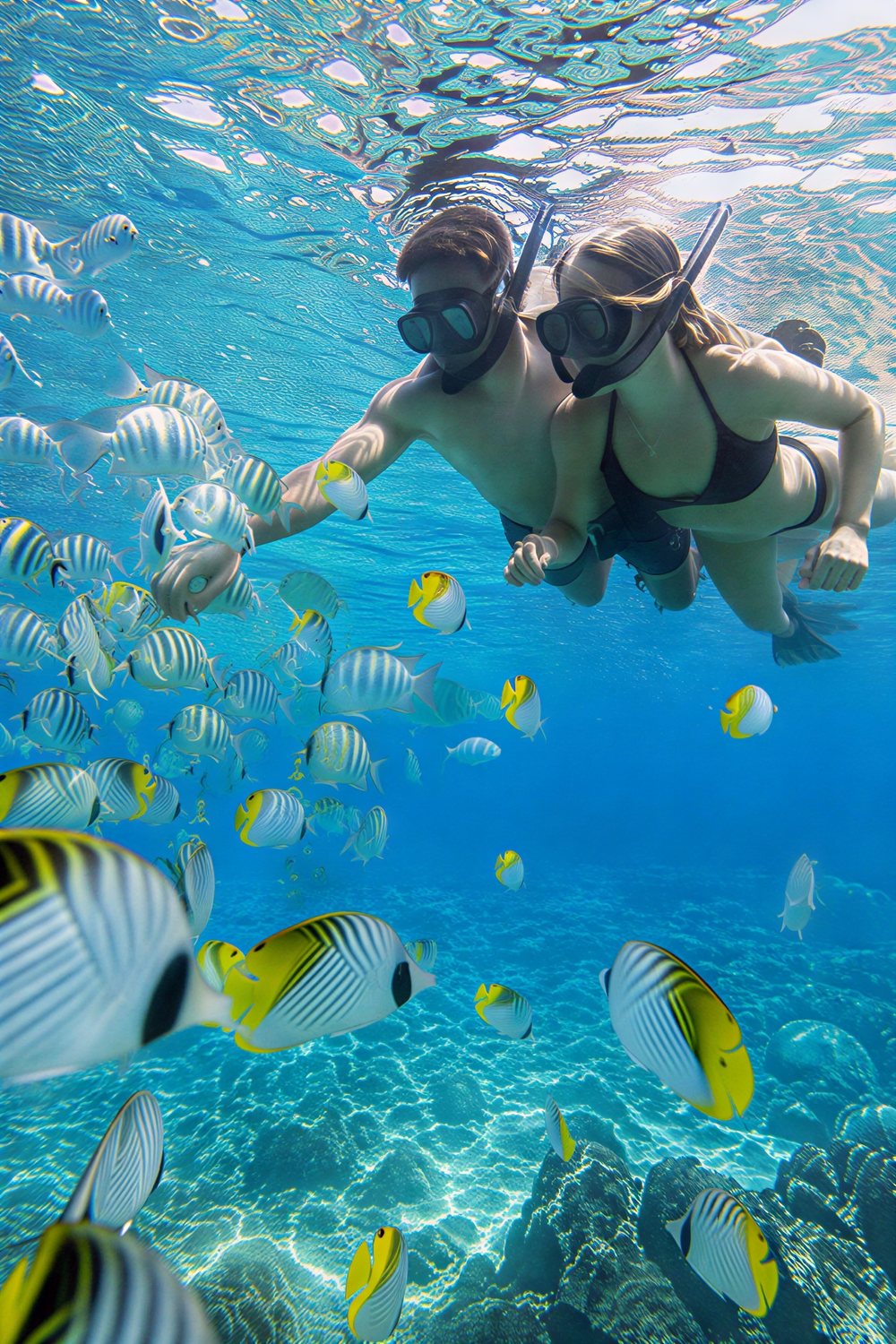
Put a mask on at the snorkel stops and the species count jumps. Sergeant majors in their prison stripes, parrotfish grinding away at the coral, butterflyfish in pairs, and shoals of fusiliers moving like weather. In the shallow lagoons juvenile blacktip reef sharks pass through, small, cautious and gone before most people are sure what they saw.
Green and hawksbill turtles are recorded in the park and do turn up, but treat a sighting as a bonus rather than a promise. Visibility is best in the calm months from around February to May; after heavy rain the water carries more sediment.
The park's records include animals that avoid the day-trip hours entirely: leopard cats, smooth-coated otters and wild boar among them. They move at night or keep to islands the tours do not land on. What you might catch is the evidence, tracks crossing the morning sand or shells cracked open at an otter feeding spot.
That is not a failure of the visit. A park that still hides animals from ten boats a day is a park that is working.
Take an early departure, because animal activity drops fast once the day heats up. Walk trails quietly and let the group spread out a little. Bring binoculars if you own them; the eagles and hornbills reward it. Keep your distance, keep food packed away and leave the drone at home, since the park does not allow them without a permit. The guides know the current sightings better than any page, so ask them what has been showing up that week.
Checked 12 August 2026. Species records from the park's own lists; sightings are never guaranteed.
Planning the day around wildlife? See the best time to visit and the tour comparison.
No sighting is guaranteed, but dusky langurs and macaques are seen around Koh Wua Ta Lap on most days, especially in the morning and late afternoon.
Langurs keep to themselves. Macaques can grab food or open bags, so keep everything zipped and do not feed them. Left alone, neither is a threat.
Juvenile blacktip reef sharks pass through the shallow lagoons and green and hawksbill turtles are recorded in the park, but both are bonus sightings rather than something to count on.
The first hours after sunrise and the late afternoon. Midday heat sends most animals into the shade, so early departures see the most.


